BOHCDC Enters 2026 Focused on Housing Stability and Long-Term Impact
As Dallas enters another year of rapid growth, the pressure on housing affordability and neighborhood stability continues to intensify. Rising land values, redevelopment, and wage stagnation are converging in ways that put working families and legacy homeowners at increasing risk of displacement.
“Dallas is at an inflection point where appreciation and redevelopment are outpacing wages, shrinking the supply of attainable homes and increasing displacement pressure,” said Christopher Lewis, interim president and CEO of Builders of Hope CDC. “Builders of Hope is built to respond end to end, pairing home production with preservation strategies and buyer readiness services so families can stay rooted and build long-term stability.”
Building Capacity Beyond What Is Visible
Over the past year, Builders of Hope CDC focused heavily on strengthening its internal delivery platform to meet growing housing needs across Dallas County. Much of that work happens behind the scenes but is essential to long-term impact.
“Over the past year, we strengthened our delivery platform in ways the public does not always see,” Lewis said. “Deeper predevelopment, tighter execution planning, and stronger capital and civic partnerships that move deals from concept to construction. The headline is simple: we built capacity and momentum to deliver more attainable housing faster while protecting residents most at risk of displacement.”
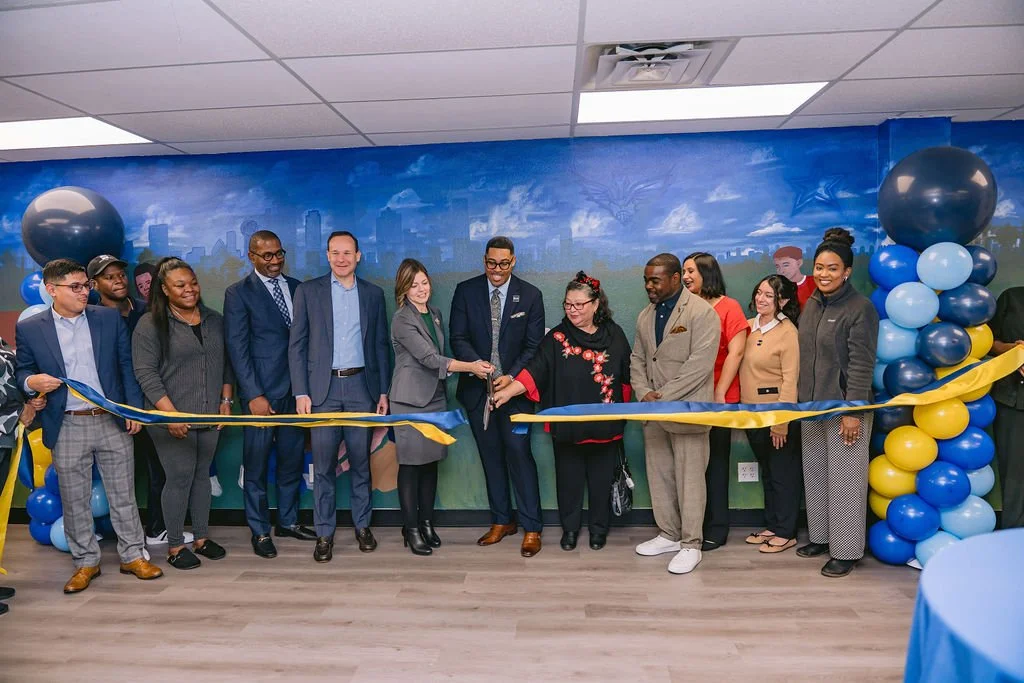
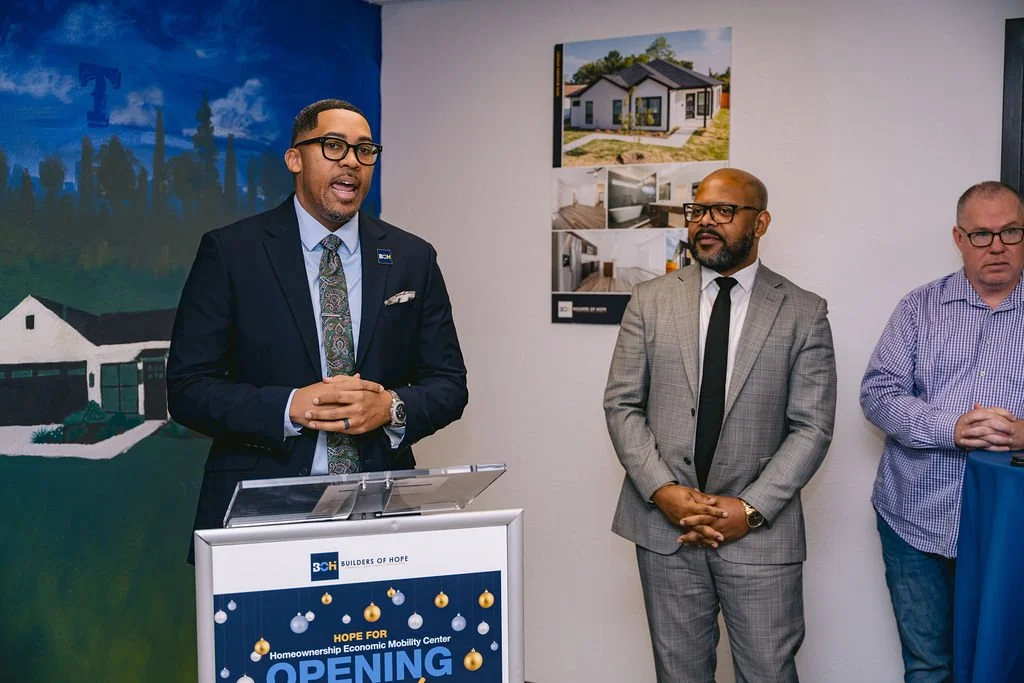
One of the most visible outcomes of that work is the opening of the Hope for Homeownership Center at The Shops at RedBird. The center serves as a coordinated entry point for families seeking clear, practical pathways to homeownership, including education, counseling, and readiness planning.
At the same time, Builders of Hope expanded its preservation work, recognizing that preventing displacement often begins with keeping existing homes safe and livable. Through targeted home repair grants ranging from $10,000 to $20,000, the organization helped homeowners address urgent health and safety needs that could otherwise destabilize ownership.
Expanding Homebuyer Education and Counseling
In 2026, Builders of Hope is focused on scaling its homebuyer education and HUD counseling programs to meet families where they are in today’s housing market.
“We are scaling homebuyer education by increasing access, tightening the curriculum to reflect today’s lending and affordability realities, and creating a clearer on-ramp from class completion into one-on-one HUD counseling,” Lewis said.
The organization is strengthening intake and follow-up processes so families move from interest to readiness with concrete action plans around credit, budgeting, debt reduction, and savings. The goal is not simply to increase the number of buyers but to improve long-term outcomes.
“In 2026, I want to see higher completion rates, more families becoming mortgage ready, and more closings that translate into long-term stability,” Lewis said. “Because success is not the closing. It is staying housed long term.”
Preservation as a Core Housing Strategy
A key component of Builders of Hope’s anti-displacement work is the Homestead Preservation Center, which provides homeowners with direct support to resolve issues that often lead to involuntary loss of a home.
“The Homestead Preservation Center is essential anti-displacement infrastructure because it gives homeowners a trusted place to resolve the issues that most often lead to involuntary loss of a home, including title, heirship, and property tax stress,” Lewis said.
The center plays a central role in the organization’s Right to Stay initiative by translating policy and strategy into direct services for residents.
“It brings the Right to Stay strategy to life through real services, and it reflects a core truth in this work: preservation is production,” Lewis said.
Development, Preservation, and a Full Ladder of Stability
Real estate development remains central to Builders of Hope’s mission, particularly as Dallas-Fort Worth now carries the highest rents among major Texas metros.
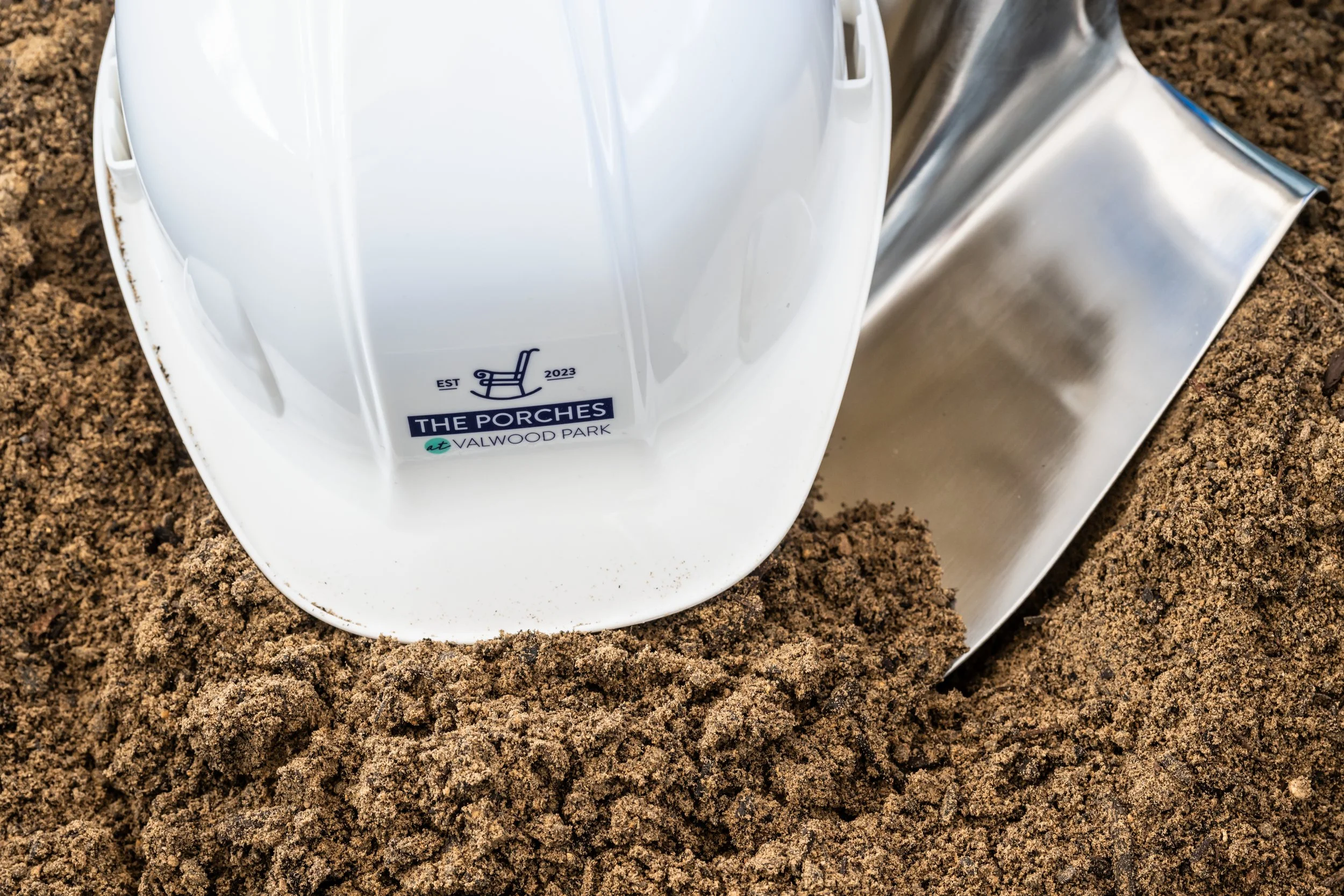
“Dallas cannot solve affordability and displacement without delivering attainable supply at scale,” Lewis said. “That is why we build for-sale opportunities through projects like Lake June and Porches at Valwood Park, and we also develop attainable rental options like Trinity West Villas for families who are not yet homebuyer ready and cannot sustain market-rate rents.”
Equally important, the organization treats preservation as a form of production by advancing home repair pathways that allow longtime homeowners to remain in place rather than being displaced by deferred maintenance.
Taken together, these efforts create what Builders of Hope describes as a full ladder of housing stability, from keeping residents housed today to expanding attainable pathways for tomorrow.
Navigating the Challenges Ahead
The challenges facing attainable housing in Dallas remain significant. Rising construction costs, escalating land values, and complex ownership barriers require careful coordination across funding sources and sectors.
“The hardest realities are the gap between construction costs and attainable sales prices, escalating land values, and the complexity of preserving ownership for families facing title and tax pressures,” Lewis said.
Builders of Hope navigates these challenges through disciplined development practices, conservative underwriting, and alignment across public, philanthropic, and private capital.
By pairing development with preservation tools and counseling, the organization aims to ensure its impact extends beyond new units to long-term housing stability across Dallas County.
As 2026 begins, Builders of Hope CDC remains focused on delivering attainable housing, preventing displacement, and ensuring families have the support they need to remain rooted in the communities they call home.
Housing stability is a shared responsibility.
Learn more about our homebuyer education and preservation services, or support the work that helps families remain rooted in their communities.
Visit the Homeownership Center
Donate to Support Housing Stability